Advantages Of Dental Bridges
Advantages Of Dental Bridges
There are several positive effects of dental bridges, which account for their frequency of use in restorative dental work.
Dental bridges offer both aesthetic and functional correction.
In terms of function, the bridge allows a patient to chew and eat normally as there is no longer a gap in the jaw and the bridge can assist with the mastication of food. It can also help individuals to speak without inhibition, filling the gap in the teeth which may alter the placement of the tongue and the way sounds are made in the mouth.
An aesthetic solution to tooth loss is a dental crown. This can be especially true if it matches the color of surrounding teeth. Patients who feel embarrassed about missing teeth can have their self-esteem raised and they are more confident.
The long-term structure and benefits of dental bridges may also be a benefit. Under normal circumstances, a gap in the jaw causes the teeth to gradually shift position and spread out, which can cause problems in the bite. In contrast, when the bridge is used to replace the missing teeth, the teeth on either side are held firmly in place to reduce the risk of movement and consequent problems of the bite. The bridge is also able to help reduce bone loss in the jaw, and maintain facial structure.
Dental bridges are also preferred by many patients due to their ease of use and comfort. It takes a few days for patients to get used to the feeling of a dental bridge. Once they do, it will be almost invisible as it has become part of their mouth. Unlike dentures, bridges do not need to be removed regularly for cleaning and can be cleaned just like natural teeth by brushing.
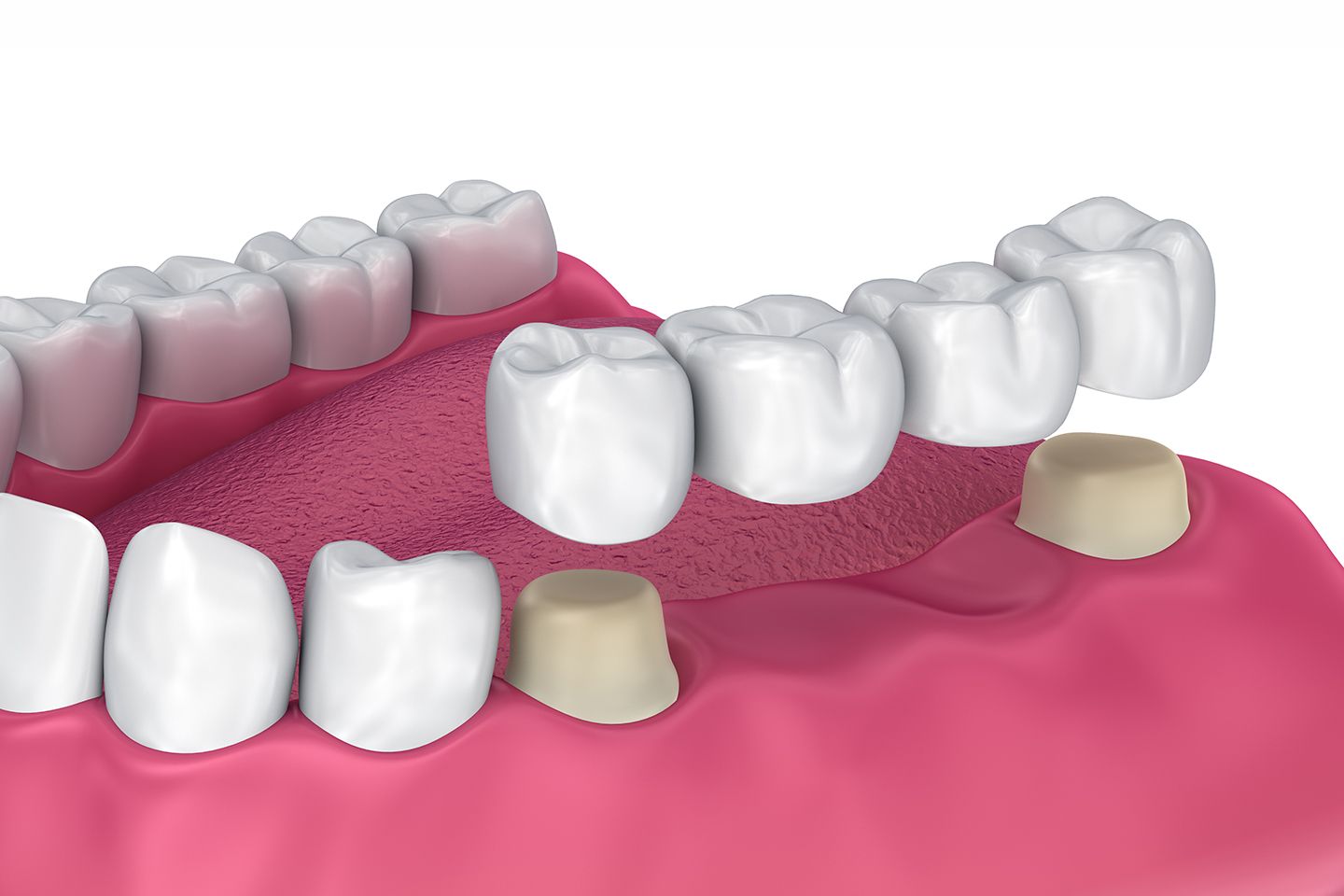
Who Should Get A Bridge?
A bridge is a great option for you if you have missing teeth. You should also be committed to good oral hygiene. The best way to replace missing teeth is with a bridge. If left unfilled, this space can cause the surrounding teeth to drift out of position and can cause teeth and gums to become more susceptible to tooth decay and gum disease, causing further tooth loss. Bridges can correct an abnormal bite, improve speech and chewing abilities. They also protect your face from premature wrinkles.
Following a bridge, recovery and dental care
You might have a little sensitivity in the teeth to which your bridge is attached in the days following your appointment. It is normal to feel some sensitivity in the teeth that your dentist activated while they were working on them. In the following days, your sensitivity will diminish. Patients often find it awkward to chew and speak with a bridge, particularly if they have lost a few teeth. The body quickly adapts and soon you'll be able chew your bridge like a normal tooth.
With proper care, a dental bridge can last 15 years and often much longer. These are the best ways to care for your dental crown.
- You should brush your teeth at least twice daily for two minutes. Make sure you also brush the bridge as you would any natural tooth.
- To remove any oral bacteria from the area around your bridge, floss between them. This can help prevent gum disease. This can be done by your dentist or dental assistant.
- To kill germs from the tissue surrounding your bridge, use an antiseptic toothpaste.
- Regular checkups with your dentist are recommended to detect any problems early.
You don't have to follow any dietary restrictions if you are wearing a dental bridge. However, you should minimize your intake of overly crunchy and chewy foods, as these place excess strain on the teeth supporting the bridge and may contribute to shifting of these teeth over time. You should avoid sticky and gooey foods, so you can chew the food on the other side of the bridge.
If you ever begin to experience pain or aching in the teeth to which your bridge is attached, contact your dentist. If your gums become reddening, swollen or bleeding, consult your dentist. These are signs of gum disease that must be addressed to prevent decay in the teeth to which your bridge is attached.