Dental Bridges
Dental Bridges
Dental Bridge Placement
The placement of a dental bridge is not a surgical procedure, so you will stay awake throughout the treatment. If you are nervous about going through the procedure, or feel uncomfortable, your dentist may offer mild sedation. This will help to make you more relaxed and comfortable. Your dentist will also numb the area of your mouth with local anesthetic by injecting medication directly into your gums. To minimize discomfort, your dentist may apply topical numbing gel to your gums.
Take impressions of and measure your mouth before you place a dental bridge. It ensures your customized-made bridge fits perfectly and feels comfortable. To create an imprint, you will need to press down gently on a piece of soft foam. If needed, your dentist may place temporary crowns if your teeth are compromised, offering protection as you wait for the bridge to be created. During your procedure, any temporary crowns will be removed and the dentist will apply the cement that holds the bridge in place.
Benefits Of Bridges
People often elect to have missing front teeth restored for aesthetic reasons, but it can also be wise to replace back teeth. When spaces in the gums are left empty, the surrounding teeth can move in the patient's mouth, causing changes to the bite and sometimes resulting in problems such as temporomandibular joint disorders. There are also aesthetic and functional advantages to bridges:
- Restores the look of your smile
- Enhance your speaking and chewing skills
- Keep the facial shape.
- Distribute bite forces properly
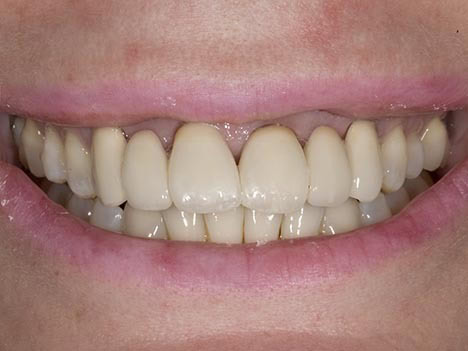
Are Dental Bridges Expensive?
Cost of dental bridges is determined by how long it takes to complete the process and what material was used. The cost of dental bridges depending on a factory:
- Location
- Anesthetic if required
- The number of dentures required to close the gap
Placing Dental bridges can be a cost-effective way to replace a tooth. If you have dental insurance, the prices will drop significantly. A single replacement tooth can cost between $300-$1,000 for a bridge. Costs vary depending on the type of bridge. An all-porcelain bridge will cost more than a porcelain-fused or metal bridge.
If your dentist recommends a cantilever bridge or plans for extensive work on your remaining teeth to support the bridge, always remember that in such cases your costs may be higher.
Advantages Of Dental Bridges
Dental bridges have many positive benefits, and are used in a lot of restorative dentistry work.
Firstly, dental bridges are an effective solution for the replacement of missing teeth in the mouth, offering both functional and aesthetic correction.
The bridge is functional in that it allows patients to chew and eat normaly as there's no gap between the teeth. It can also aid with food mastication. The bridge can be used to help people speak normally by filling in any gaps between their teeth. This will allow them to talk without inhibition.
Aesthetically, a dental bridge can compensate for the loss of the original teeth, particularly if the bridge is closely matched in color to the surrounding teeth. Patients who feel embarrassed about missing teeth can have their self-esteem raised and they are more confident.
Dental bridges can also offer benefits for the long-term structure of the mouth. Normal circumstances will cause the gap between the front teeth and the back of the mouth to shift, and can lead to problems with the bite. In contrast, when the bridge is used to replace the missing teeth, the teeth on either side are held firmly in place to reduce the risk of movement and consequent problems of the bite. Additionally, the bridge can also help to reduce the risk of bone loss from the jaw and, therefore, maintains the facial structure.
Many patients also prefer dental bridges because of the way they feel in the mouth and their easy maintenance. It takes a few days for patients to get used to the feeling of a dental bridge. Once they do, it will be almost invisible as it has become part of their mouth. Unlike dentures, bridges do not need to be removed regularly for cleaning and can be cleaned just like natural teeth by brushing.

What Happens During A Dental Bridge Procedure?
The dentist will first examine your mouth to ensure that there is no decay of gum disease. They may take an x-ray and use equipment to take measurements of the teeth and mouth.
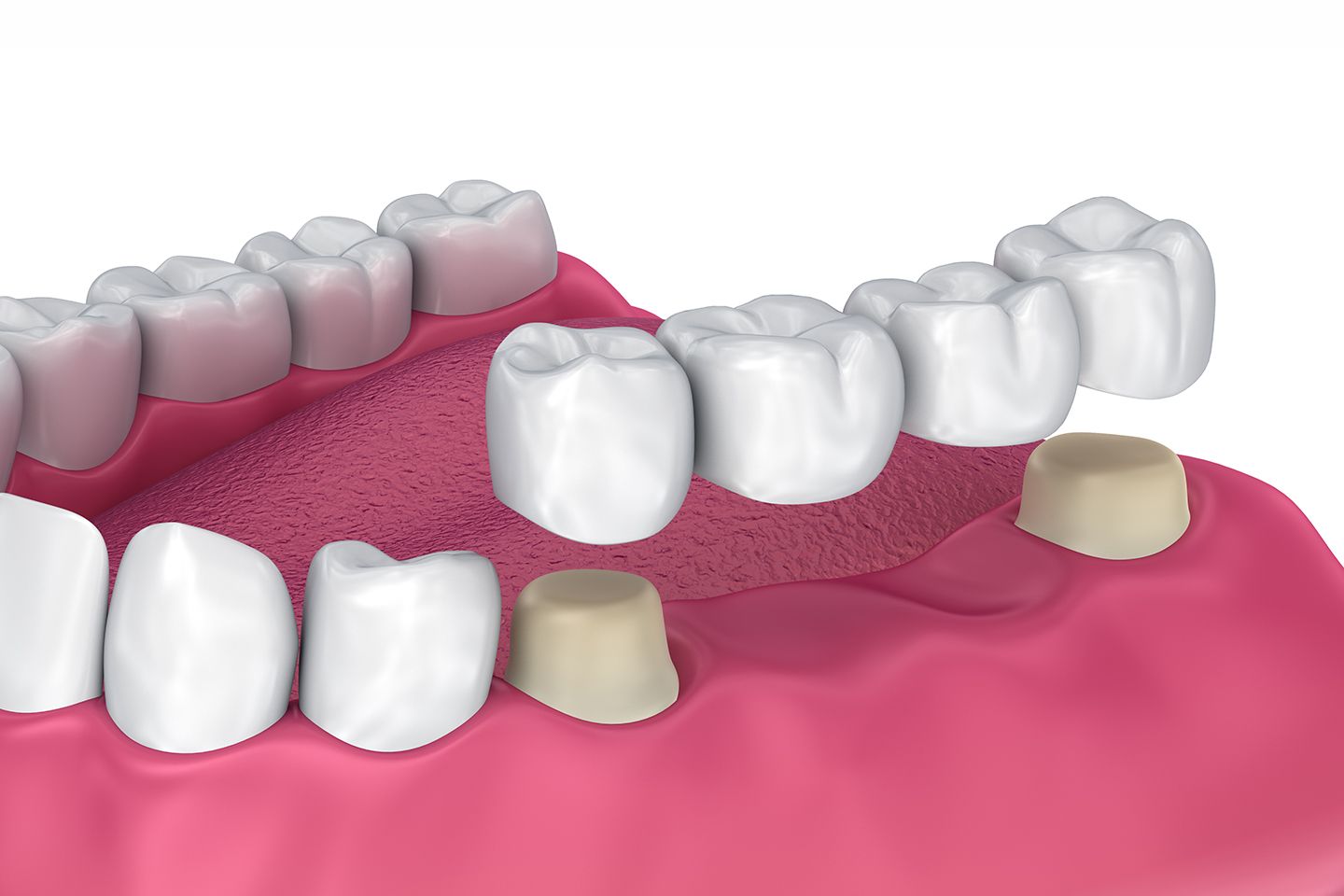
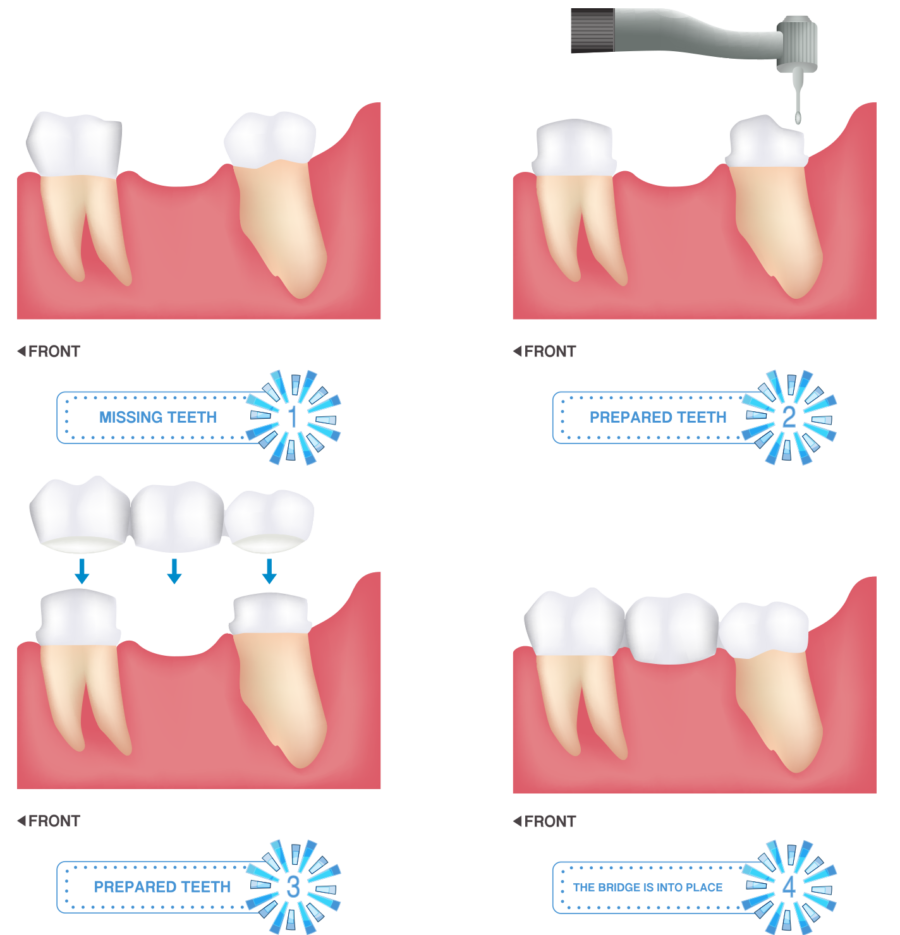
To prepare for a dental bridge, the dentist will usually file down the 2 healthy teeth on either side of the gap. The dentist will create a mold to build the bridge.
While you wait for the permanent bridge, you might get a temporary one. This temporary bridge is removed once the permanent bridge is ready.
When the permanent bridge is ready to be put into place, it will usually be attached with dental cement to surrounding healthy teeth. Or the dentist might anchor the bridge with a dental implant, which is surgically placed in the jaw. Your dentist will determine if you are a candidate for dental implants.
Difference Between Removable And Fixed Dental Bridges
Each end of a removable dental bridge has a crown. These clasp to your natural teeth. This type of bridge will require that you take the dental crown out each day in order to clean it. Fixed bridges are more popular than removable ones. This is because they tend to be less expensive. Furthermore, removable bridges do not require surgery.
Fixed dental bridges, on the other hand, function and feel like natural teeth. This is because dentists attach them to dental implants fastened to the patient's jawbone. The American Academy of Implant Dentistry estimates that more than 3 million Americans have dental implants. Each year, this number rises by nearly 500,000.
Excess Force On Teeth
Your teeth are capable of supporting your normal bite force because they divide the force among themselves. Distributed among the twenty or thirty teeth in a healthy, normal mouth, it's a reasonable amount of force. But when you have just four or six teeth doing the work of 14 or 16, the forces may be a bit much. They're also not as strong as normal bite forces. Instead of coming straight down, they torque and turn in the direction of the unsupported part of the bridge. This puts stress on the tooth that it's not as able to deal with, and may lead to the failure of supporting teeth.
Does Insurance Cover A Dental Bridge?
Insurance can save you a lot of money if you're thinking about getting fixed prostheses. The dental bridges are covered with insurance; however, you can consult with our dentists at Angel Care Dental regarding details of the treatment plan and insurance coverage.
Before opting the dental treatment, you must have a complete understanding of insurance coverage so that you are assured of receiving the most affordable option for your dental bridge.
Here are some good news for you and your family member if they need restorative dentistry treatment. Insurance coverage will make it much cheaper to have bridges made. Dental bridges can be covered by insurance up to half the cost. Angel Care Dental will help you understand your financial responsibility when it comes to insurance. All you need to do is consult with our dentists or get in contact with your insurance provider to confirm the maximum limits and copays of the insurance.
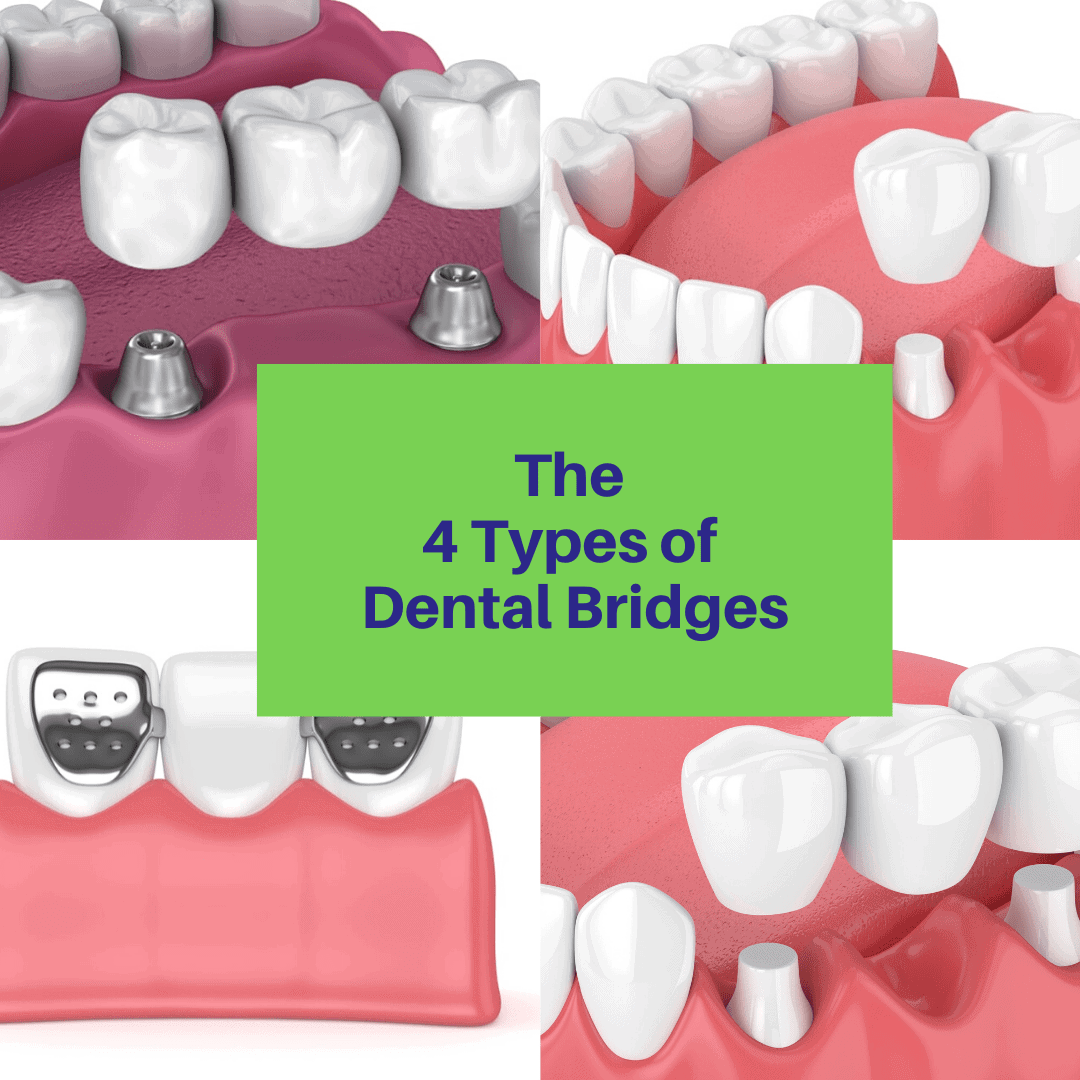
Types Of Dental Bridges
Traditional dental bridges are the most common type of dental bridge. The crown is placed on the opposite side of the tooth that has been lost and the new tooth rests between. Traditional bridges are made of either porcelain fused to metal or ceramic.
Maryland bonded dental bridges are most commonly used to bridge front teeth together. These bridges are made of metal or resin wings that attach to existing teeth. A Maryland bonded bridge is also called a resin-bonded bridge. This technique has a large advantage in that the anchor teeth do not need to be shaped.
If you have more than one missing tooth, implant-supported bridges can be recommended. This involves placing multiple dental implants, with enough space to allow for them to be placed in a row. These anchors are used to support the permanent cemented bridgework. Implants are a form of tooth root and preserve the jawbone. They also provide solid support for the bridge.
Individual Treatment Planning
After establishing the candidacy of a patient for treatment, a dentist will work with them to create a customized treatment plan. First, they will choose the type of bridge the patient is going to receive. This will largely depend on the size and location of the restoration, as well as personal preferences. Patient and dentist will also choose the optimal material for the bridge. The dentist will consider a patient's budget, lifestyle, and overall oral health when recommending one material over another. Finally, the practitioner may take photographs and impressions to begin designing the custom restoration.

Payment
Missing a tooth can severely affect a person’s dental health and function. Dental insurance can often cover the costs of dental bridges, either fully or in part. Sometimes, the insurance company may not cover all costs for a simple procedure. Patients will have to pay any extra charges. For example, insurance may pay for a porcelain, crown-supported restoration. A patient may have to cover the extra costs of a zirconia implant or a bridge made from it. At most dental offices, the administrative staff will help patients file their claims. The administrative staff will ensure that the patient receives all benefits.
Dental Implants
The growing popularity of dental implants has reduced the frequency of dental bridge procedures. Our dentists have years of expertise in preparing top-quality restorations using the best materials.
A bridge might be preferable to an implant if:
- You're unable to undergo oral surgery
- It's not a good idea to put off filling the gap between your smile and your teeth.
- Too little bone mass is required in the jaw for a dental implant to be supported.
Before you undergo any type of procedure, we will assess your overall and oral health, as well as your cosmetic goals. Our objective input will help you choose the right procedure for your smile, while also keeping your mouth and teeth healthy.

What Is A Dental Bridge?
A dental bridge is a solution when you have lost a tooth, or when you have a gap that is causing your other teeth to become loose. The replacement tooth fills in the gap where the missing tooth is, giving it a natural look and helping to repair the tooth.
Another option is a cantilever bridge, which is supported by a crown on only one side. This type of crown can be secured to the mouth even if you have only one missing tooth. Maryland bridges are a less invasive option. They use porcelain or a metal frame to secure the false tooth. These bridges aren't as strong as those cemented in, so teeth that have a lot of biting force won't be able to hold up with a Maryland bridge.
Attaching Dental Bridges
Attachment usually requires two to three appointments. At the first appointment we'll prepare the surrounding teeth and take impressions of your teeth, which are sent to a lab where the bridge will be constructed.
For a temporary fix, our dentists can place a dental flipper, which is a lightweight and removable denture that can fill your tooth gap while your dental bridge is being prepared.
Our new iTero (r) element scanner will reduce the carbon footprint of our office by using less impression trays and other materials. It will also cut down on time between dental bridge appointments. We'll be able to review your digital case with you immediately and when we are both satisfied your custom digital records will be sent to my lab specialist to prepare your case.
Which Person Should Have a Bridge?
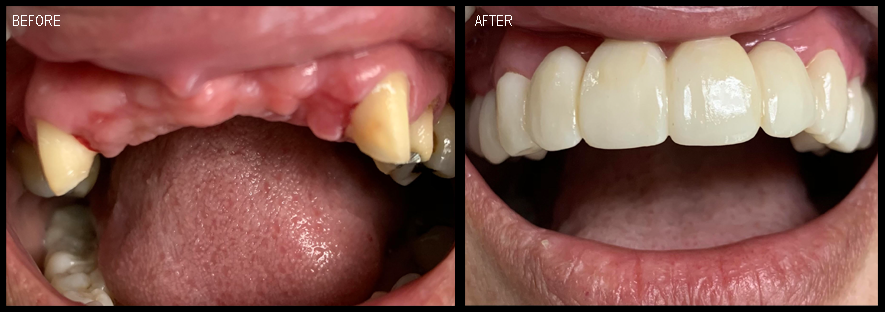
A bridge is a great option for you if you have missing teeth. You should also be committed to good oral hygiene. The best way to replace missing teeth is with a bridge. This space, which is left empty, can lead to the teeth and gums becoming more vulnerable to decay, gum disease and further tooth loss. Bridges can correct an abnormal bite, improve speech and chewing abilities. They also protect your face from premature wrinkles.
Ceramic only
Ceramic bridges were not durable when they first appeared. But thanks to modern technology and materials used in dentistry, they have become much stronger, making options like Emax crowns a popular choice.

What Are Fixed Dental Bridges?
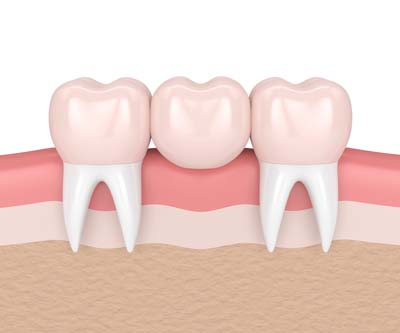
The permanent attachment of a false tooth or artificial tooth to dental implants, natural teeth or abutment teeth is the type of dental bridge. The natural teeth located on either side of the gap act as supports for the fixed bridge. Fixed dental bridges are a good option for individuals looking to fill a gap between one or more teeth.
How Much Do Dental Bridges Cost Without Insurance?
Did you know that if you have no insurance, you will be accountable for paying the full cost of the dental bridge plus the cost for other treatment that is required along with the dental bridge? The cost of treating dental bridges includes the necessary X-rays both before and after the procedure as well as any additional treatment. The additional treatment may include addressing dental issues such as gum problems or dental caries.

My Dental Bridge Is Loose
If your dental bridge feels loose straight after it's been fitted, your dentist will need to re-cement it. If you feel your tooth bridge moving around, book an appointment straight away so it can be fixed before any damage occurs.
Over time, the dental cement that holds a tooth bridge in place will start to fail and this may cause an old bridge to feel loose or even fall off. If the support teeth are in good shape, it may be possible for it to be re-cement. Otherwise it will need to be replaced.
Advantages Of Bridges:
- This procedure can be done quickly and does not require any invasive surgery, unless the bridge supports implants.
- Recovery time is faster
- Affordabler
Allergic Reactions To Dental Materials
Some patients might be allergic to materials used in the construction of a dental bridge, as we have already mentioned. Sinusitis and gum inflammation can all be symptoms of allergy. Dermatitis is another possible cause. Patients who think they may have a high risk for allergies should alert their dentists before their treatment. Tooth-colored materials, such as porcelain and zirconia, rarely cause allergic reactions. Therefore, they may be a better choice for these patients.
What is a Dental Bridge?
Dental bridges permanently replace missing teeth by false ones. Attached to either the bridge or the adjacent teeth, the bridge will replace the missing tooth. The bridge is usually made from porcelain, metal or a combination of both. These bridges are fixed and can be used as an alternative to dentures.

Traditional Bridges
This type is the most popular. The teeth on either side of the gap are covered with dental crowns, which are caps that cover the entire tooth. These crowns are attached to the false or damaged tooth.
Metal only
Metal alloys are usually the cheapest option, but they have the obvious disadvantage of looking nothing like natural teeth. If the retainer and pontic won't be too visible when you smile, a metal tooth bridge could be a good choice.

Dental Bridge, Partial Denture Options
The most stable fixed bridges are permanently bonded and cannot be removed except by a dentist. A removable partial denture or dental bridge can be taken out and cleaned.
Fixed bridges are applied by either placing crowns or bonding the artificial teeth to the adjacent natural teeth. Removable bridges and partial dentures are attached to the teeth with metal clasps or by precision attachments.